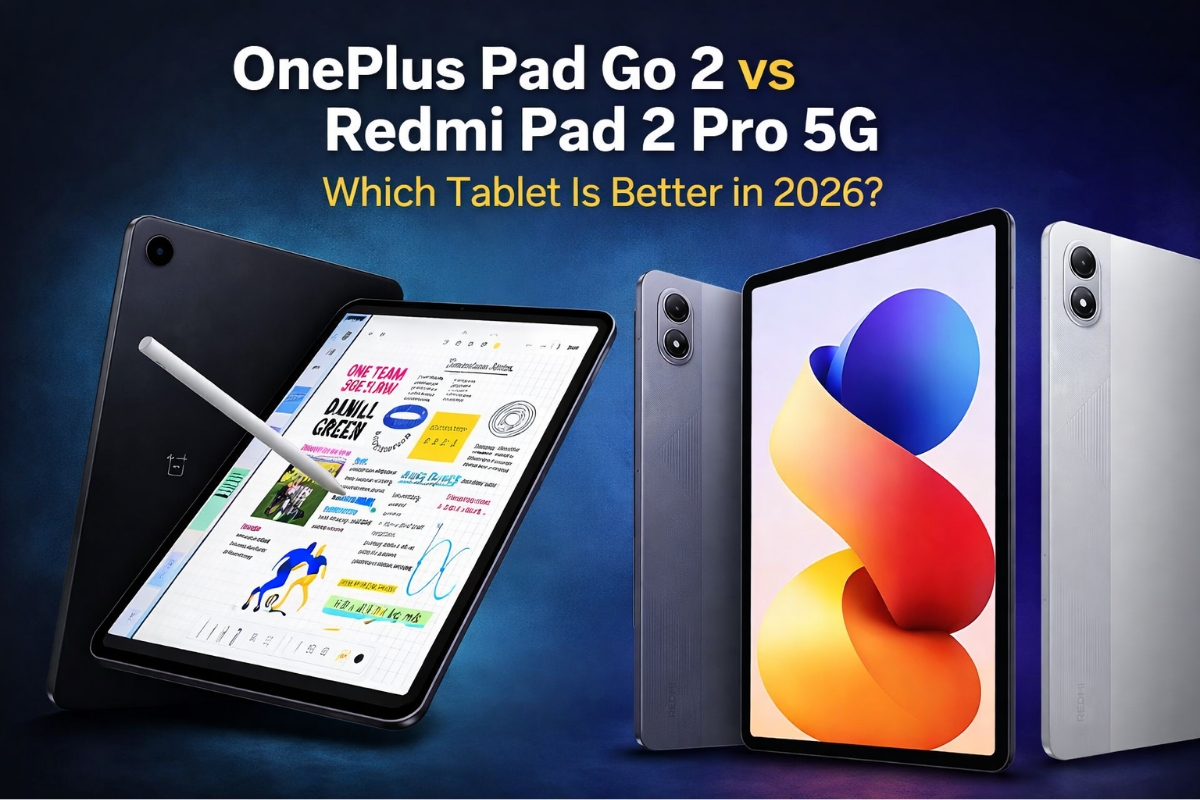
Introduction: Why This Tablet Comparison Matters in 2026
The Android tablet market in 2026 is no longer boring or limited to casual use. Tablets are now powerful enough for work, online classes, entertainment, gaming, and even light content creation. Two strong contenders in the mid-premium segment are the OnePlus Pad Go 2 and Redmi Pad 2 Pro 5G. Both promise large displays, long battery life, fast performance, and 5G connectivity.
For buyers in India and the USA, choosing between these two can be confusing because they target slightly different users while competing in a similar price range. This detailed comparison explains what they offer, how they differ, and which tablet is better for you in 2026, based on real usage, not just specs.

What Are the OnePlus Pad Go 2 and Redmi Pad 2 Pro 5G?
The OnePlus Pad Go 2 is designed as a balanced tablet focused on smooth software, AI features, productivity, and multimedia. It runs on OxygenOS 16 with OnePlus AI and Google Gemini integration, making it attractive for users who value clean software and cross-brand connectivity.
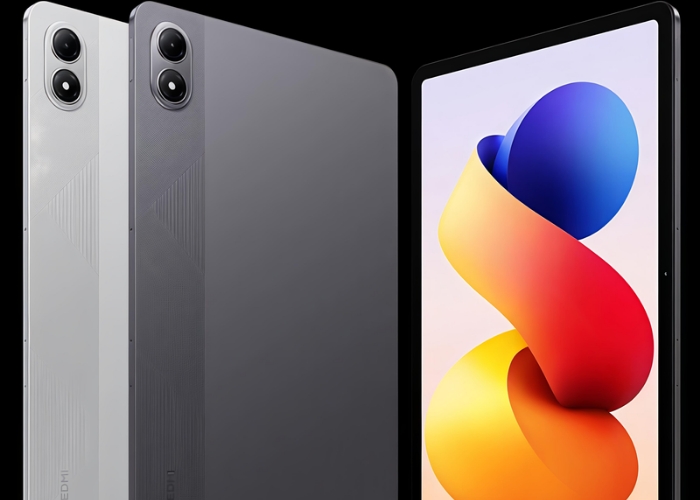
The Redmi Pad 2 Pro 5G, on the other hand, is Xiaomi’s entertainment-first tablet. It focuses heavily on display quality, loud speakers, massive battery capacity, and tight integration within the Xiaomi ecosystem through HyperOS.
Both tablets aim to be all-rounders, but their priorities are different.
Display Comparison: 2.8K vs 2.5K – Which Screen Is Better?
The display is one of the biggest reasons people buy large tablets, and both brands know this well.
The OnePlus Pad Go 2 features a 12.1-inch 2.8K LCD display with a resolution of 2800×1980 pixels. Its 7:5 aspect ratio is excellent for reading documents, browsing, split-screen multitasking, and note-taking. With 120Hz adaptive refresh rate, 900 nits HBM brightness, and 98% DCI-P3 color gamut, it offers sharp visuals and accurate colors, especially useful for students and professionals.
The Redmi Pad 2 Pro 5G also sports a 12.1-inch display, but with 2.5K resolution and support for over 1.07 billion colors. It reaches 600 nits brightness and includes Wet Touch technology, which is helpful in humid or outdoor conditions. TÜV Rheinland certifications for low blue light and flicker-free viewing make it easier on the eyes during long usage.
Verdict:
If you read, write, or multitask more, OnePlus has a slight edge due to its aspect ratio and higher brightness. For movies and vivid visuals, Redmi’s color depth and eye-care tuning feel more cinema-focused.
Performance and Software: Snapdragon vs MediaTek
Performance matters not just for gaming, but also for long-term smoothness.
The Redmi Pad 2 Pro 5G is powered by the Snapdragon 7s Gen 4, built on a 4nm process. This chip handles gaming, multitasking, and media consumption with ease while remaining power efficient. Xiaomi’s HyperOS focuses on ecosystem integration, especially if you already use Xiaomi or Redmi phones.
The OnePlus Pad Go 2 uses the MediaTek Dimensity 7300-Ultra, paired with LPDDR5X RAM and UFS 3.1 storage. While slightly less powerful on paper, it feels very smooth in daily use thanks to OxygenOS 16. The addition of OnePlus AI and Google Gemini makes tasks like translation, summarisation, and smart suggestions more practical in real life.
Verdict:
Power users and gamers may prefer Redmi’s Snapdragon chip, while users who value clean UI, AI features, and long-term smoothness may lean towards OnePlus.
Battery and Charging: Who Lasts Longer?
Battery life is another area where both tablets shine, but in different ways.
The Redmi Pad 2 Pro 5G packs a massive 12,000mAh battery, delivering over 14 hours of video playback, more than 100 hours of reading, and nearly 55 days of standby in internal tests. It also supports 27W wired reverse charging, allowing it to charge your phone or earbuds in emergencies.
The OnePlus Pad Go 2 comes with a 10,050mAh battery, which is slightly smaller but still very reliable for a full day or more. Its 33W SUPERVOOC fast charging is quicker, meaning less time plugged into the wall. It also supports reverse charging, though without wireless charging.
Verdict:
Redmi wins on sheer battery endurance, while OnePlus is better if you value faster charging.
Audio and Entertainment Experience
For entertainment lovers, audio quality can make or break the experience.
The Redmi Pad 2 Pro 5G offers quad speakers with Dolby Atmos, capable of boosting volume up to 300% in speaker mode. This makes it excellent for movies, OTT platforms, and casual gaming without headphones.
The OnePlus Pad Go 2 also features quad speakers, with strong Bluetooth codec support including LDAC and aptX HD, which is great for users who rely on wireless headphones.
Verdict:
Redmi is better for loud, room-filling sound, while OnePlus is more balanced for wired and wireless audio users.
Connectivity and Ecosystem: Who Should Care?
Both tablets support 5G connectivity, but the experience differs.
The Redmi Pad 2 Pro 5G supports dual 5G SIM and eSIM, making it ideal for frequent travelers and users who want tablet-only connectivity. Xiaomi Interconnectivity allows call sync, shared clipboard, and hotspot sharing within the Xiaomi ecosystem.
The OnePlus Pad Go 2 supports 5G SIM, Wi-Fi 6, and cross-ecosystem sharing, meaning it works smoothly even with non-OnePlus devices. This is useful for users with mixed-brand setups.
Pros and Cons at a Glance
The OnePlus Pad Go 2 stands out for its clean software, AI features, fast charging, and productivity-friendly display. However, it has a slightly smaller battery and less raw processing power.
The Redmi Pad 2 Pro 5G excels in battery life, loud speakers, Snapdragon performance, and ecosystem features, but HyperOS may feel heavy to users who prefer a stock-like experience.
Conclusion: Expert Opinion – Which Tablet Is Better in 2026?
The answer depends on how you plan to use your tablet.
Choose the OnePlus Pad Go 2 if you are a student, professional, or casual creator who values smooth software, AI assistance, fast charging, and a balanced everyday experience.
Choose the Redmi Pad 2 Pro 5G if you want maximum battery life, powerful speakers, strong gaming performance, and deep integration with Xiaomi devices.
In 2026, neither tablet is a bad choice. The better tablet is the one that fits your lifestyle.
Read more: Oppo Pad 5 Set to Launch in India with Reno15 Series: A New Standard for Android Tablets, OnePlus Pad Go 2 vs Moto Pad 60 Neo: Budget Tablet Battle—Which Offers Better Value?
FAQs
1. Is OnePlus Pad Go 2 better than Redmi Pad 2 Pro 5G for students?
Yes, due to its 7:5 display ratio, clean UI, stylus support, and AI features, it is more suitable for study and note-taking.
2. Which tablet is better for gaming in 2026?
The Redmi Pad 2 Pro 5G performs better in gaming because of its Snapdragon 7s Gen 4 processor.
3. Do both tablets support 5G without Wi-Fi?
Yes, both support 5G, but Redmi also offers dual SIM and eSIM support.
4. Which tablet has better battery life?
The Redmi Pad 2 Pro 5G lasts longer due to its 12,000mAh battery.
5. Is OnePlus Pad Go 2 worth its price in India?
Yes, considering OxygenOS 16, AI features, fast charging, and display quality, it offers good value.