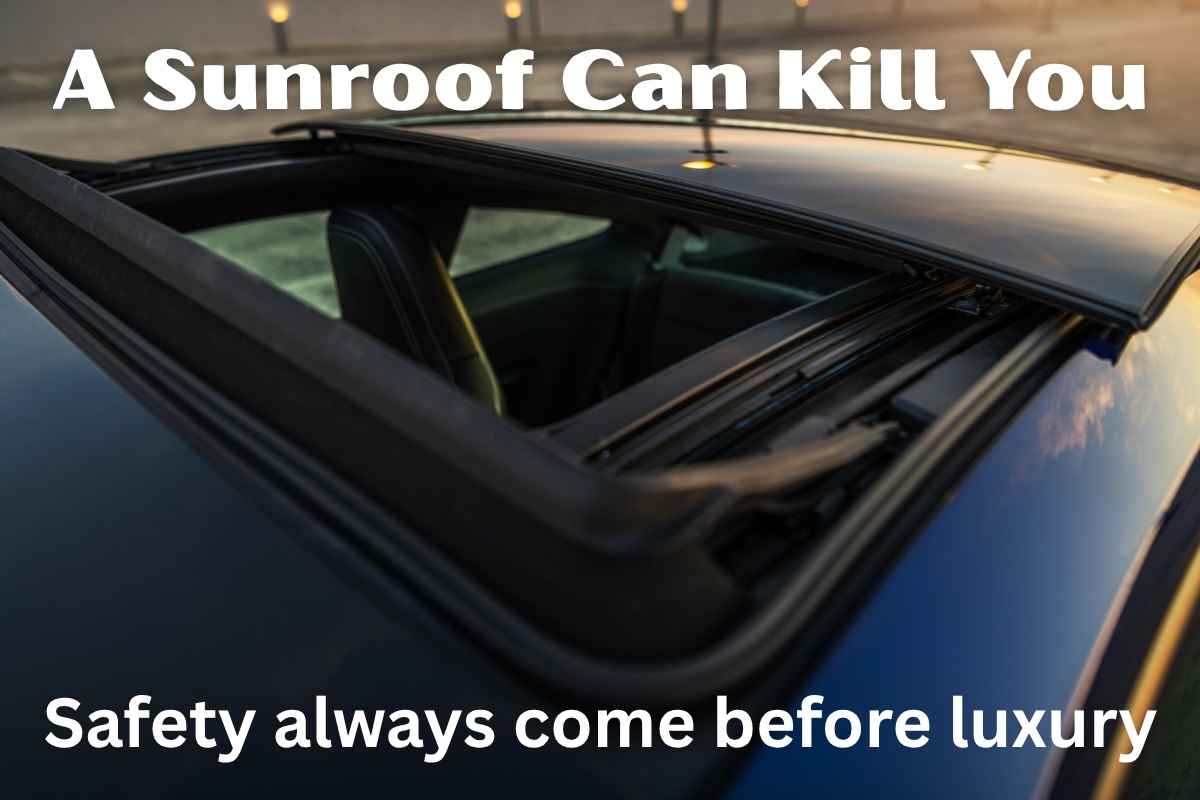
A Sunroof Can Kill You, peaceful drive turned into a tragedy when a 43-year-old woman was killed after a rock fell from a hill, smashed through the sunroof of a Volkswagen Virtus, and hit her fatally on the head. The shocking accident happened at Tamhini Ghat in Maharashtra — reminding everyone that while sunroofs look stylish, they can sometimes become deadly weak points.
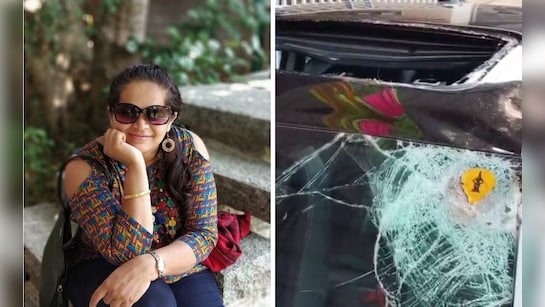
The Tragic Incident
The victim, identified as Snehal Gujarati, was travelling from Pune to Mangaon when the tragedy struck. A large rock rolled down from a hillside and crashed through the Virtus’ sunroof, hitting Snehal, who was seated in the passenger seat. The force of impact shattered the glass and led to her instant death.
The heartbreaking event unfolded on the Tamhini Ghat mountain route, a scenic but risky area prone to falling rocks, especially during or after rainfall. The incident has triggered widespread discussion about how safe car sunroofs really are in such conditions.
Why People Love Sunroofs – The Advantages
Sunroofs have become one of the most sought-after car features in India, often seen as a sign of luxury and comfort. Here’s why people love them:
- Enhanced Cabin Ambience: A sunroof lets in natural light, making the cabin feel more open and airy.
- Fresh Air and Scenic Views: Perfect for long drives — it gives passengers a more immersive experience.
- Aesthetic Appeal: Cars with sunroofs often look more premium and attract more buyers.
- Resale Value: Vehicles with sunroofs tend to have better resale value due to rising demand.
The Other Side – Disadvantages and Hidden Risks
While sunroofs look great, they also come with real safety and maintenance concerns that car owners often overlook.
- Weak Structural Point: The glass is not as strong as a metal roof. Falling rocks, tree branches, or heavy debris can break through — as seen in this tragedy.
- Leakage Issues: Poor sealing or aging rubber can cause water leaks during rain.
- Higher Cabin Temperature: The glass lets in more sunlight, heating the interior quickly.
- Costly Repairs: A damaged sunroof is expensive to fix, and replacement glass can cost tens of thousands of rupees.
- Increased Accident Risk: In hilly or forested terrains, an open or tilted sunroof increases the chance of injury from debris, branches, or even birds.
Read more: Top 10 Tips on How to Get the Best Resale Value for Your Car in India!
Why Skipping Car Service is a Big Mistake: Complete Maintenance Guide for Petrol and Diesel Cars
Lessons from the Tragedy
This heartbreaking incident serves as a wake-up call for all car owners:
- Avoid using the sunroof on mountain routes, especially where landslides or rockfalls are possible.
- Keep the sunroof closed while driving at high speeds or in unpredictable environments.
- Don’t allow passengers to stick their heads or hands out — it’s extremely risky and illegal in many regions.
- Regularly inspect the glass and rubber seals for cracks or weakness.
Conclusion
Sunroofs bring style and comfort — but they’re not meant for every situation. This tragic loss in Maharashtra proves that safety must always come before luxury.
If you own a sunroof car, use it wisely. Keep it shut on uneven or hilly terrains and never underestimate the forces of nature.
A few moments of caution can prevent a lifetime of regret.